RiggerSafe®
Aberdeen & North Sea.
Offshore support, equipment landing and decommissioning
Find where the hand
enters the task.
Port of Aberdeen describes its role across the oil and gas lifecycle, including decommissioning. Review base-yard handling, vessel decks and dismantled components as separate guidance environments.
For shore-base cargo, plan where the supported load will land and where the operator can stand.
For offshore maintenance, assess available reach and the space needed behind the handle.
For recovered equipment, establish weight, support, sharp edges and surface condition before contact.
Match the interface.
Keep the load supported.
Choose the head insert and working length around the actual load surface, movement and available space. Review the complete approach, contact and release.
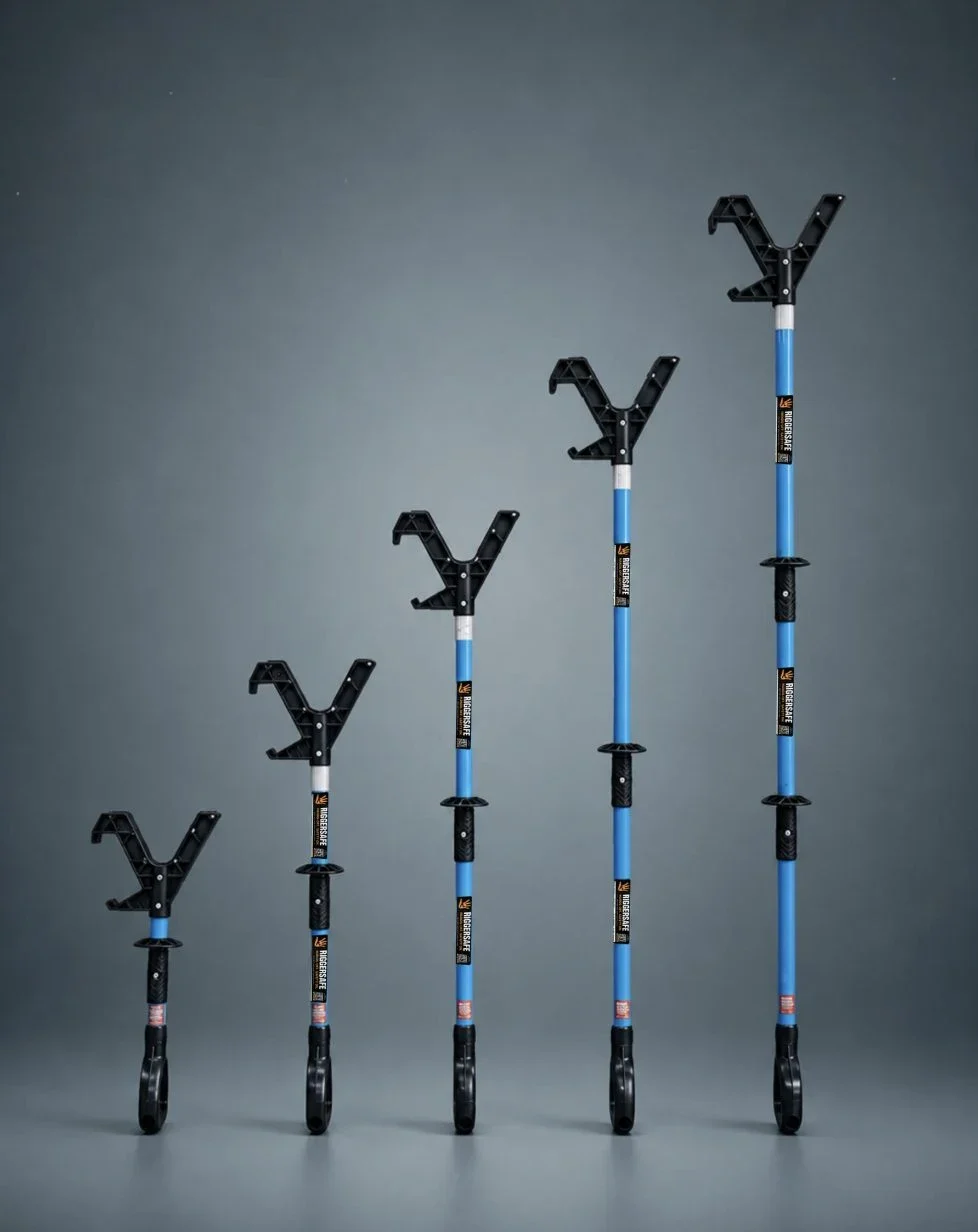
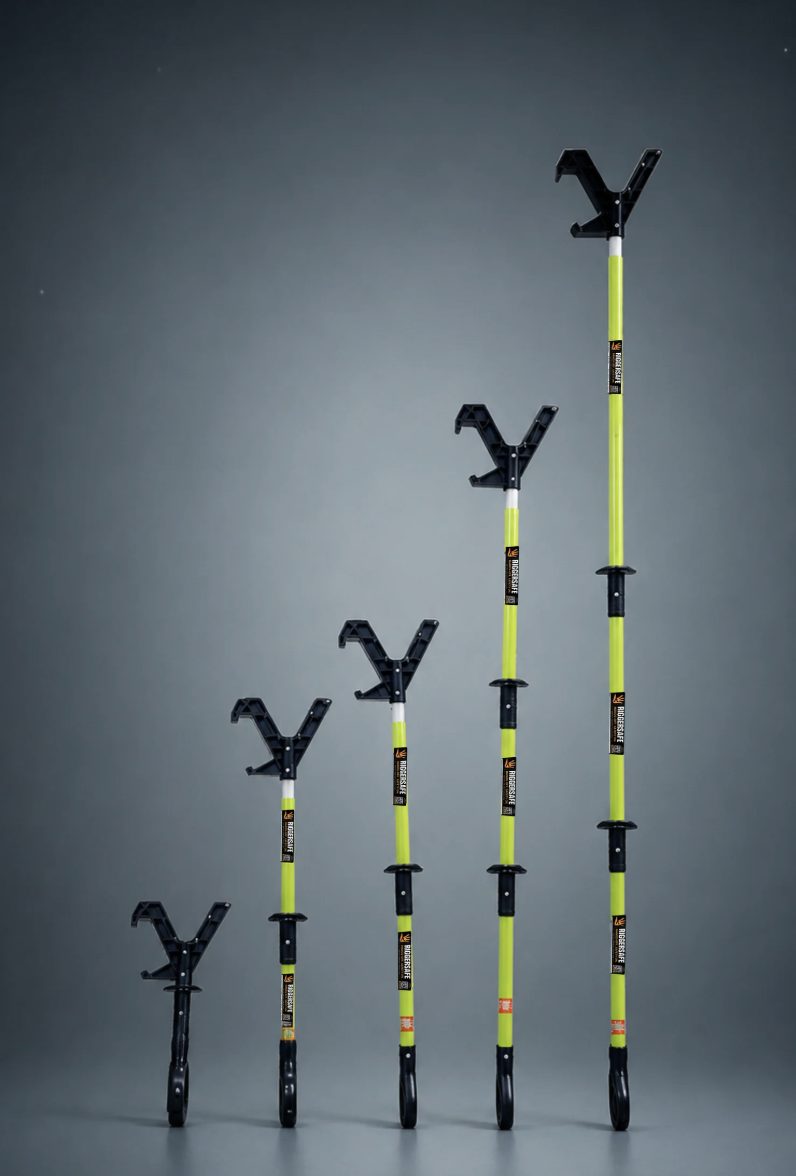
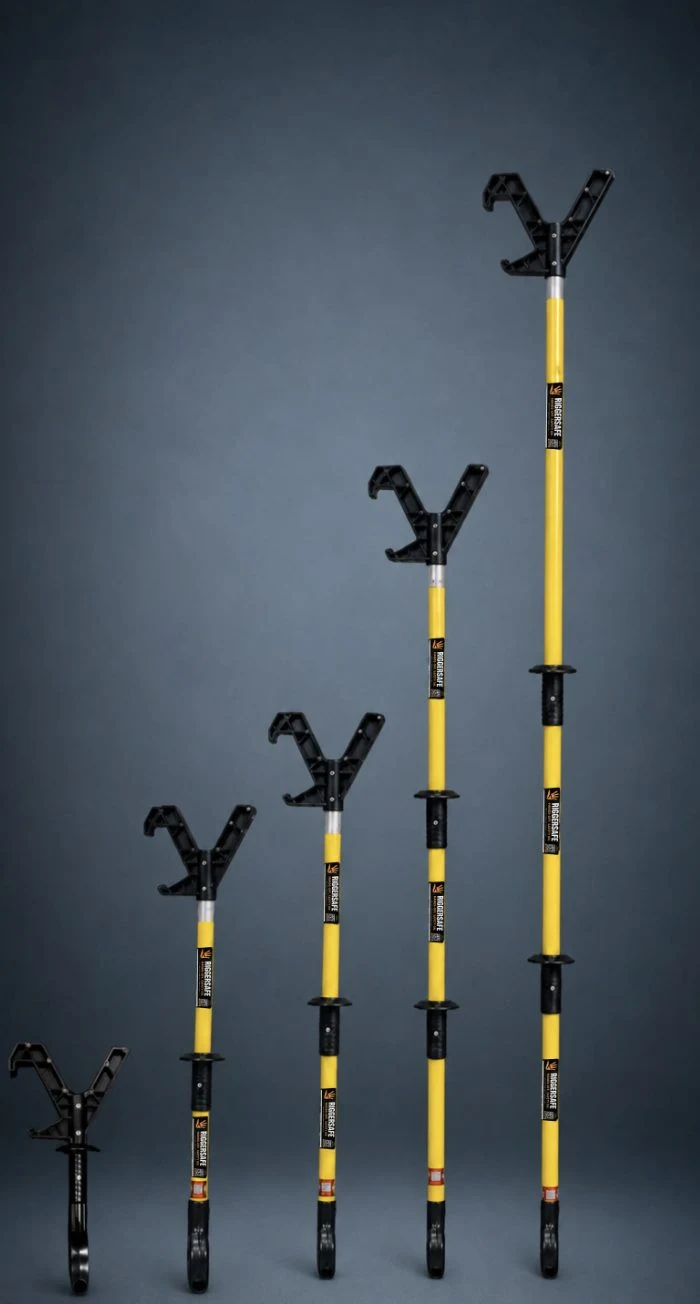
RiggerSafe is a guidance tool. It must not lift, suspend, support, pry, lever or arrest a load. Proof-test values are not a lifting capacity.
Selection guide ↓Make the enquiry
specific to your site.
Provide the UK delivery postcode and shore receiving point. Identify whether onward offshore transport is arranged by your team and confirm packing requirements.
Quote the colour, length, insert and quantity. Availability, packing, freight and delivery timing are confirmed by PSC with the quotation.
Prepare an enquiry ↗Start with a representative trial.
Record the hand’s function, select suitable contact points and evaluate engagement, release, posture and communication within the approved lifting method. Use operator feedback before standardising.
Location reference
Port of Aberdeen — oil and gas ↗
Industry context does not imply product endorsement, installation or a PSC branch at the named location.